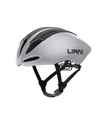

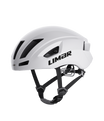
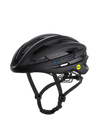
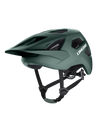
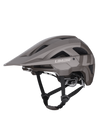
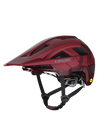
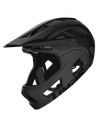
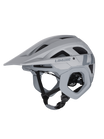
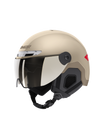
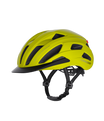
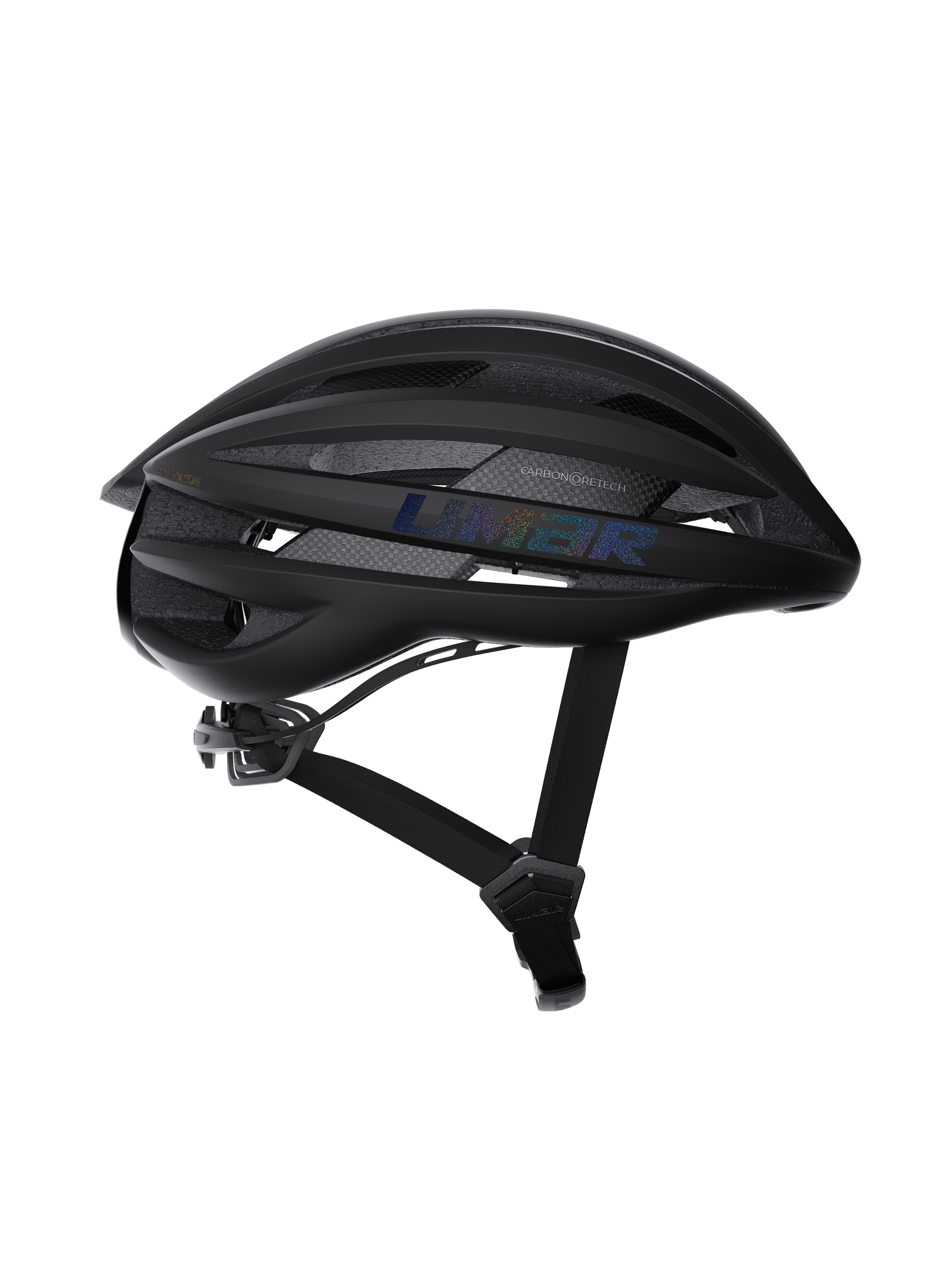
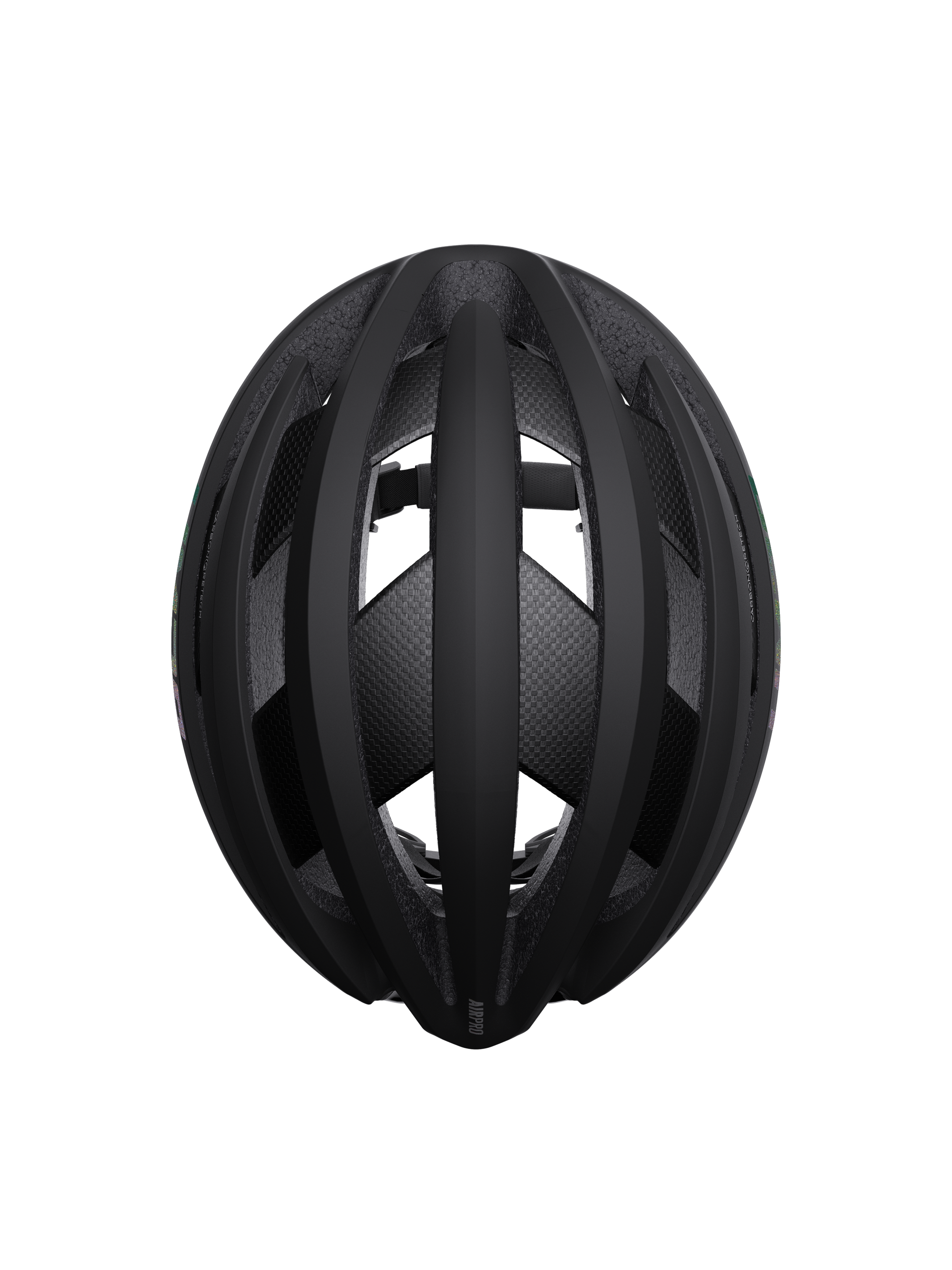
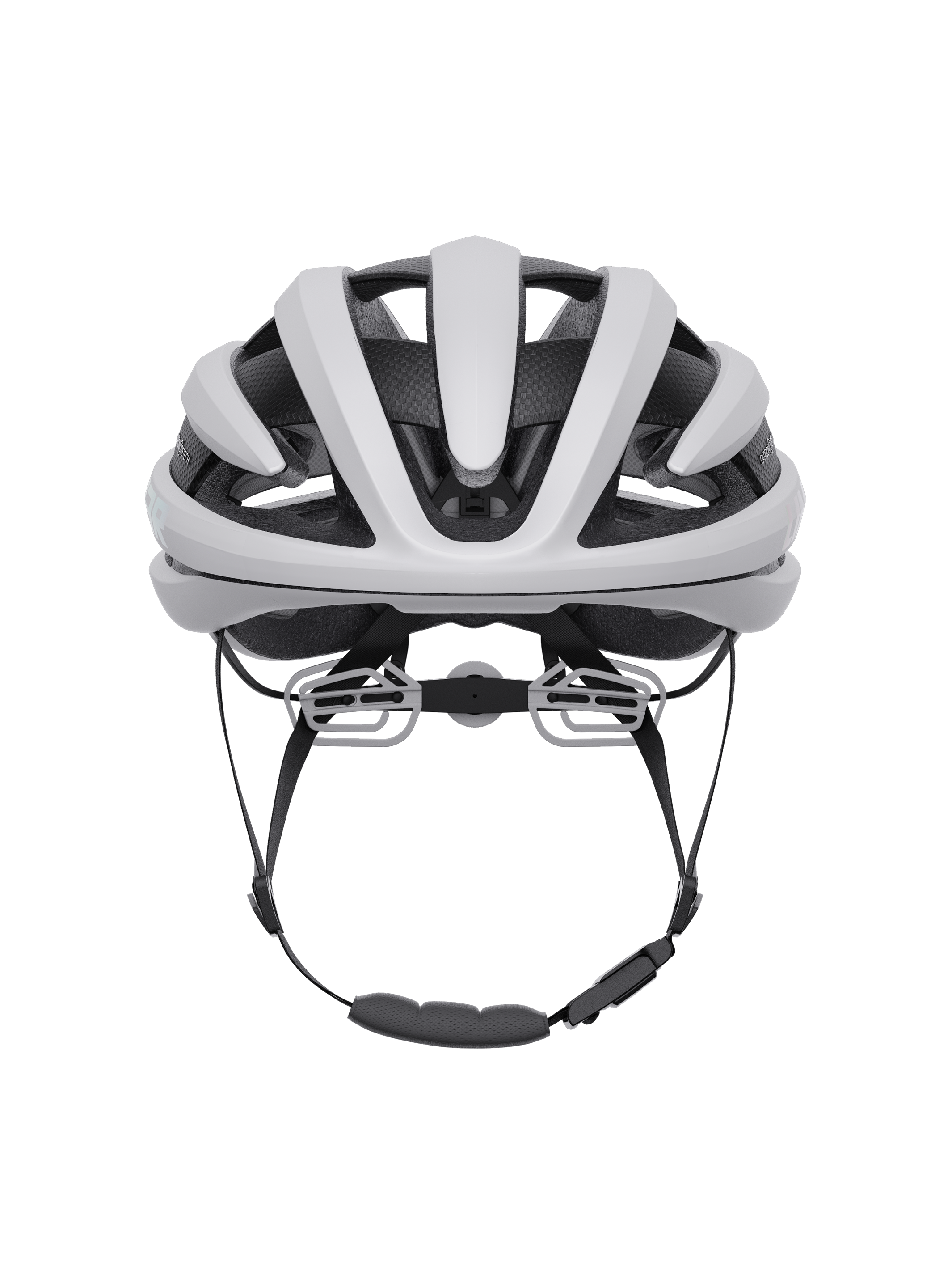
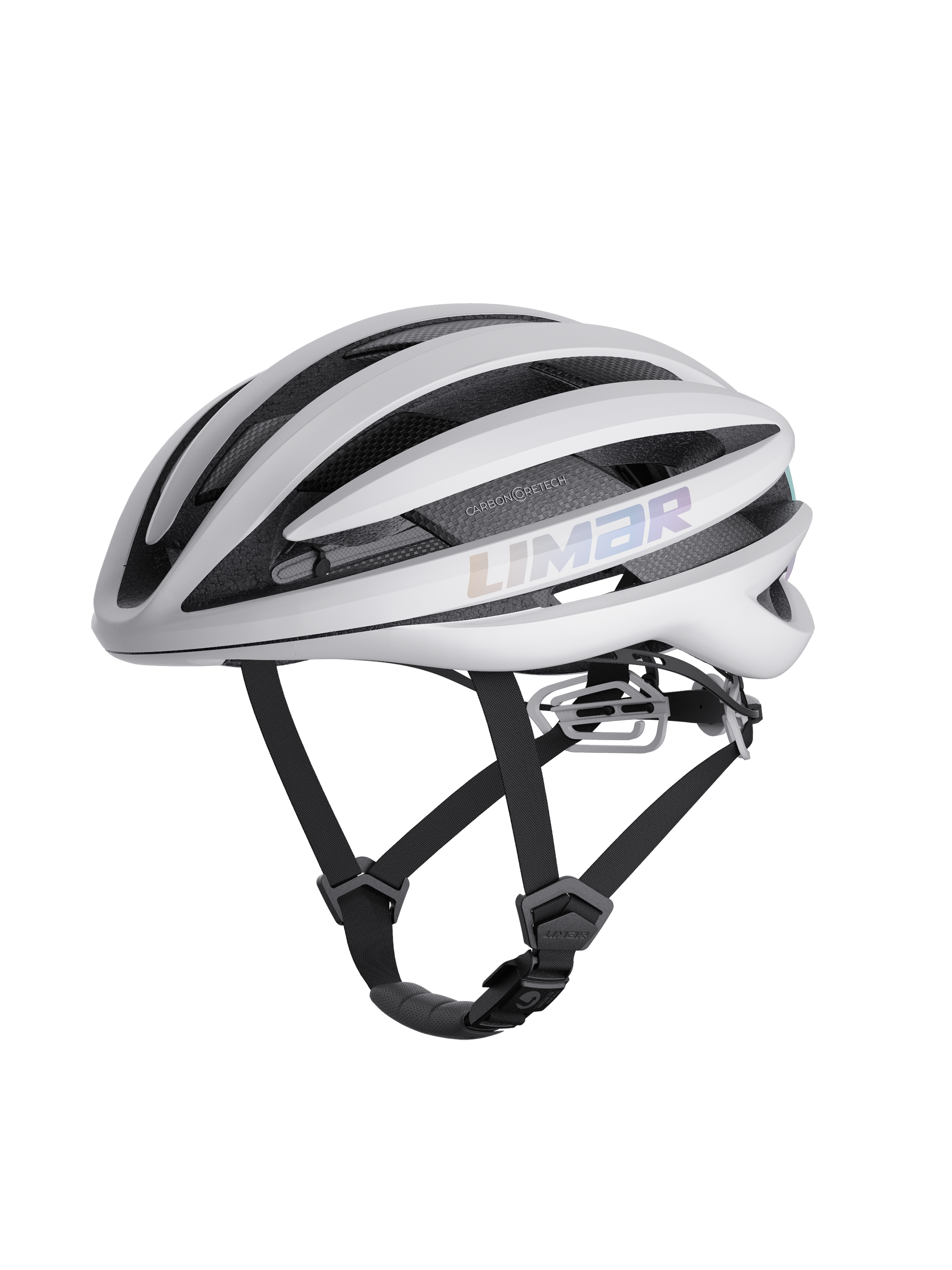
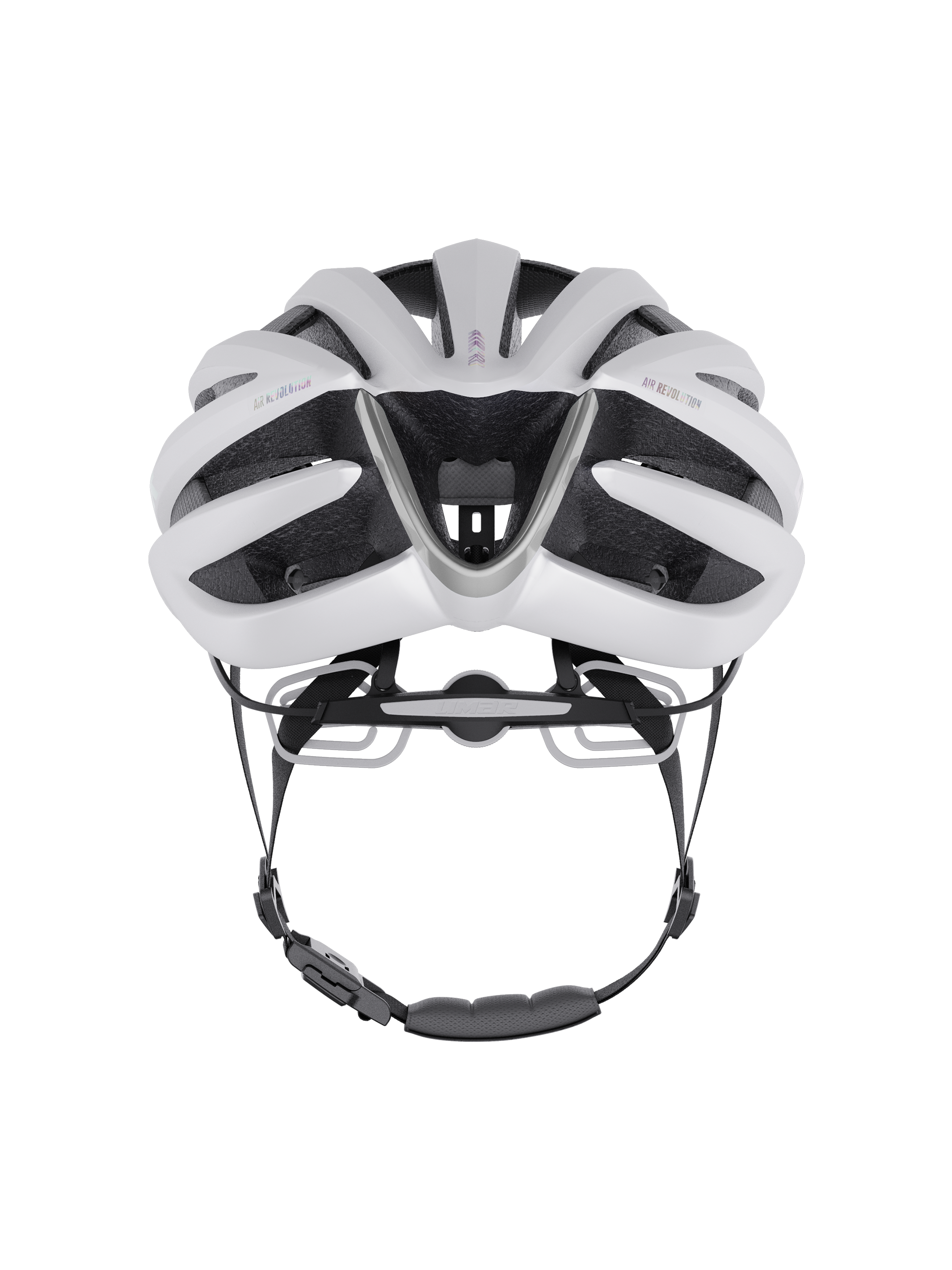
Air Pro
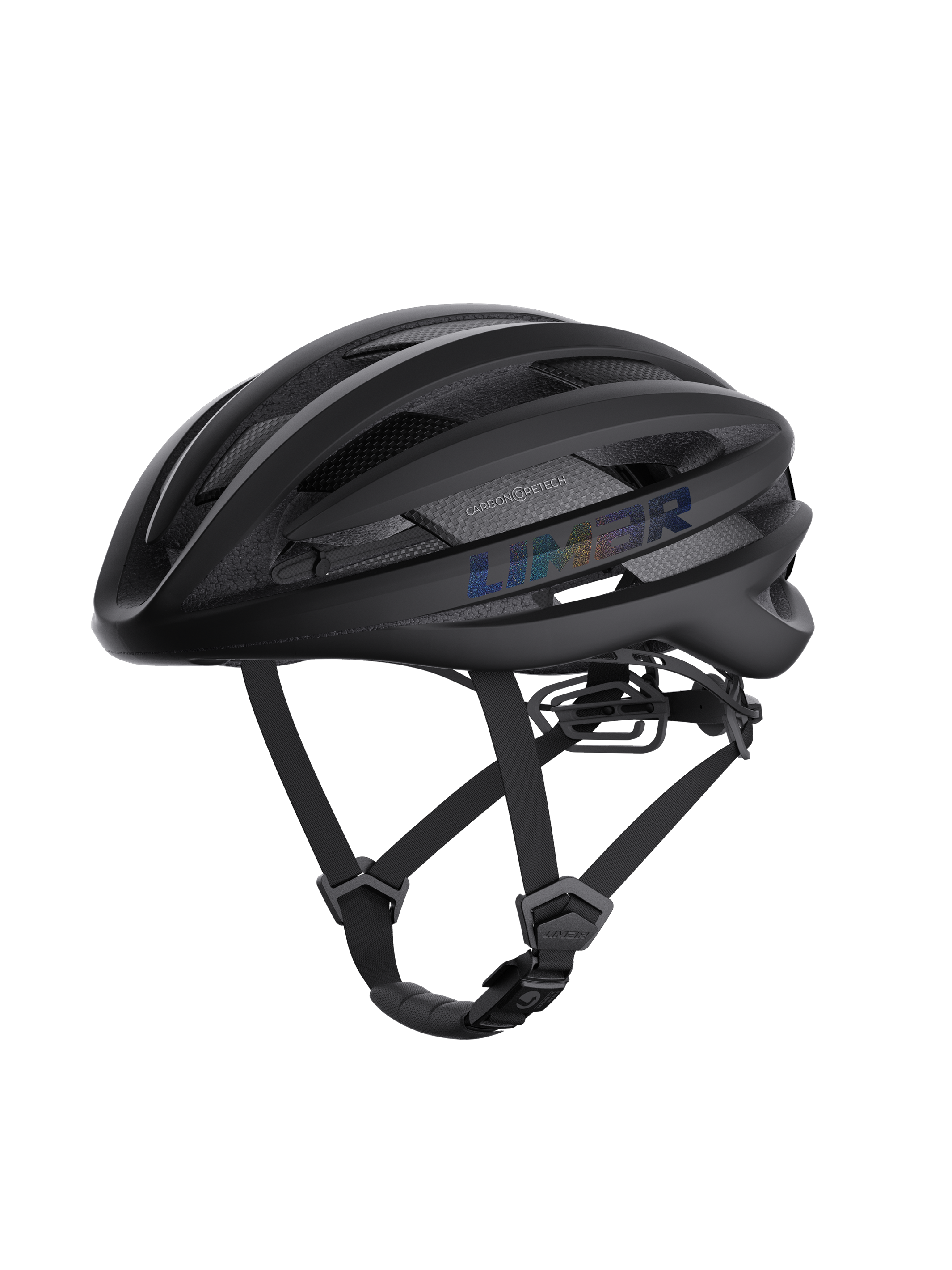
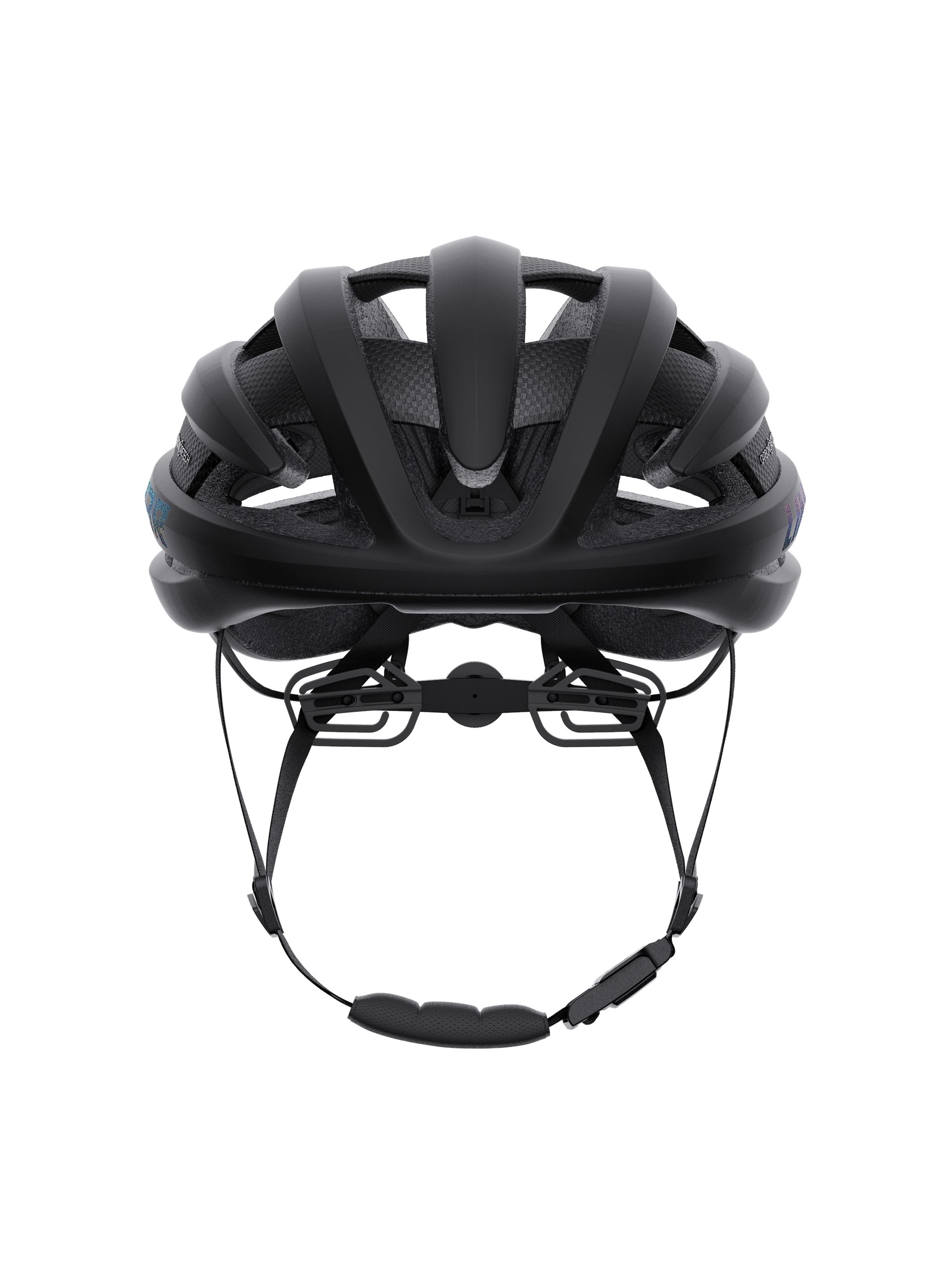
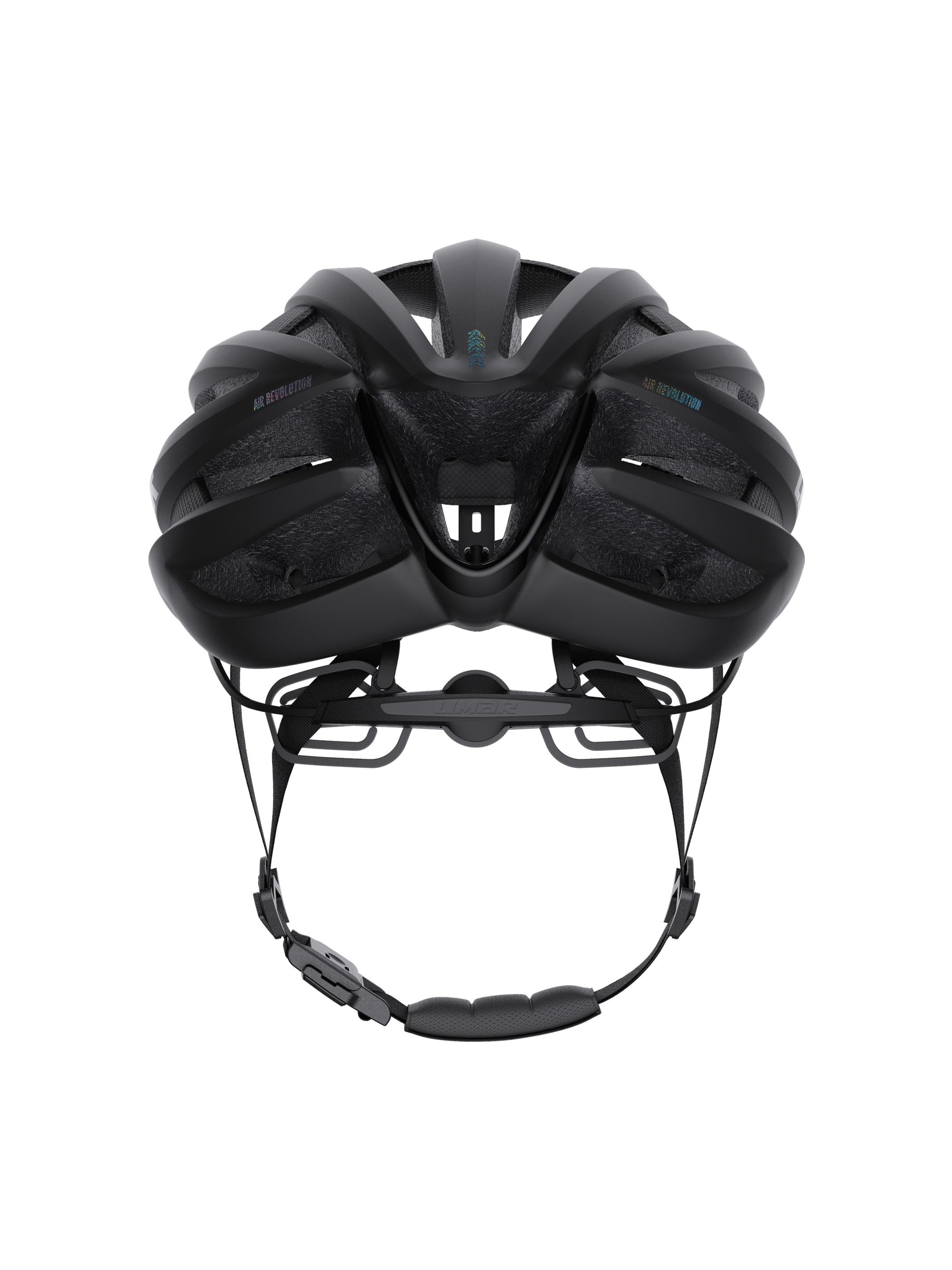
Il casco Limar AIR PRO vanta un processo di produzione estremamente innovativo in cui la fibra
di carbonio - grazie alle sue proprietà di elevata resistenza meccanica e di leggerezza - diventa il
cuore del casco.
Questo migliora la sicurezza del casco senza comprometterne il peso.
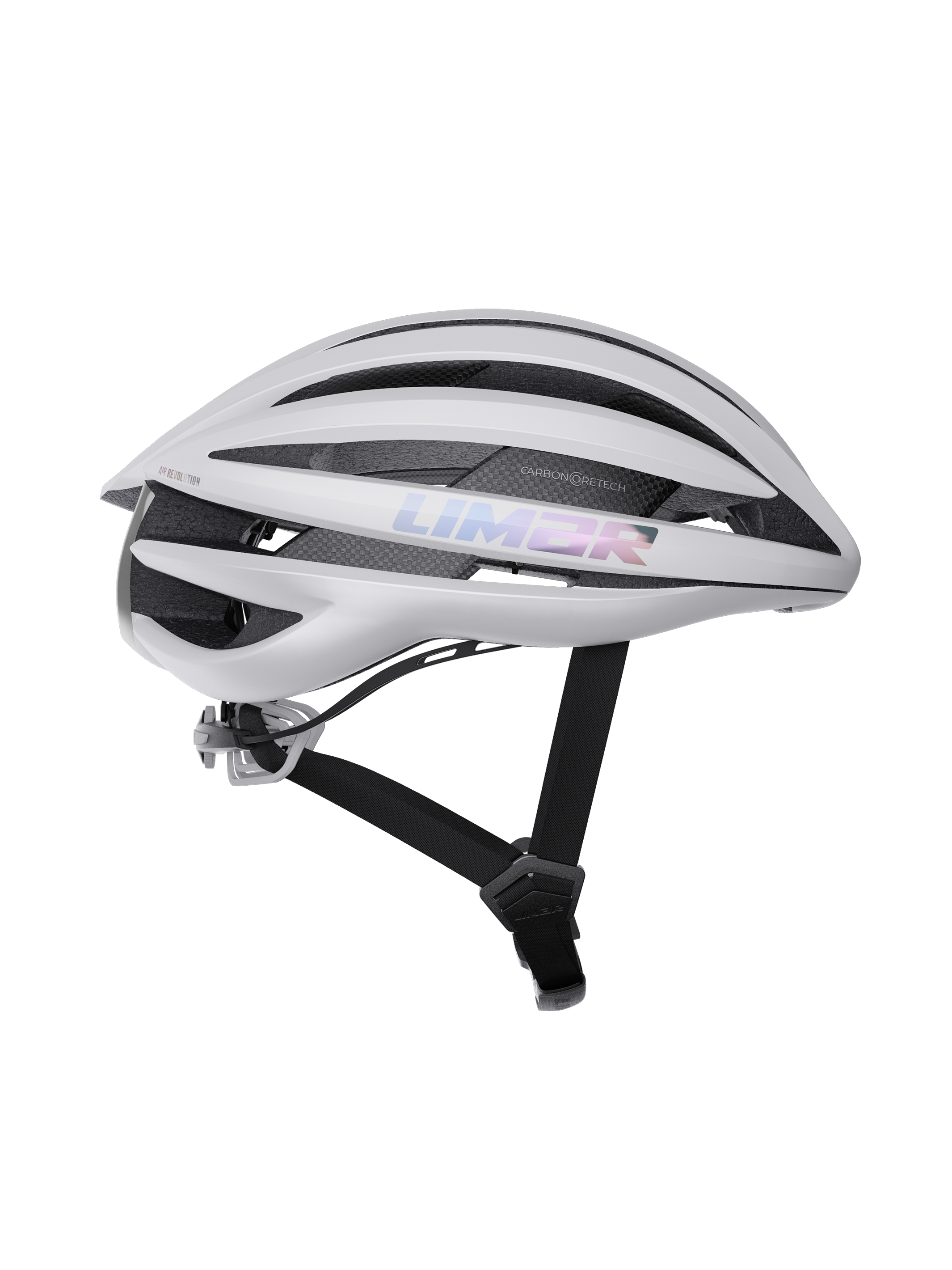
CARBONCORETECH
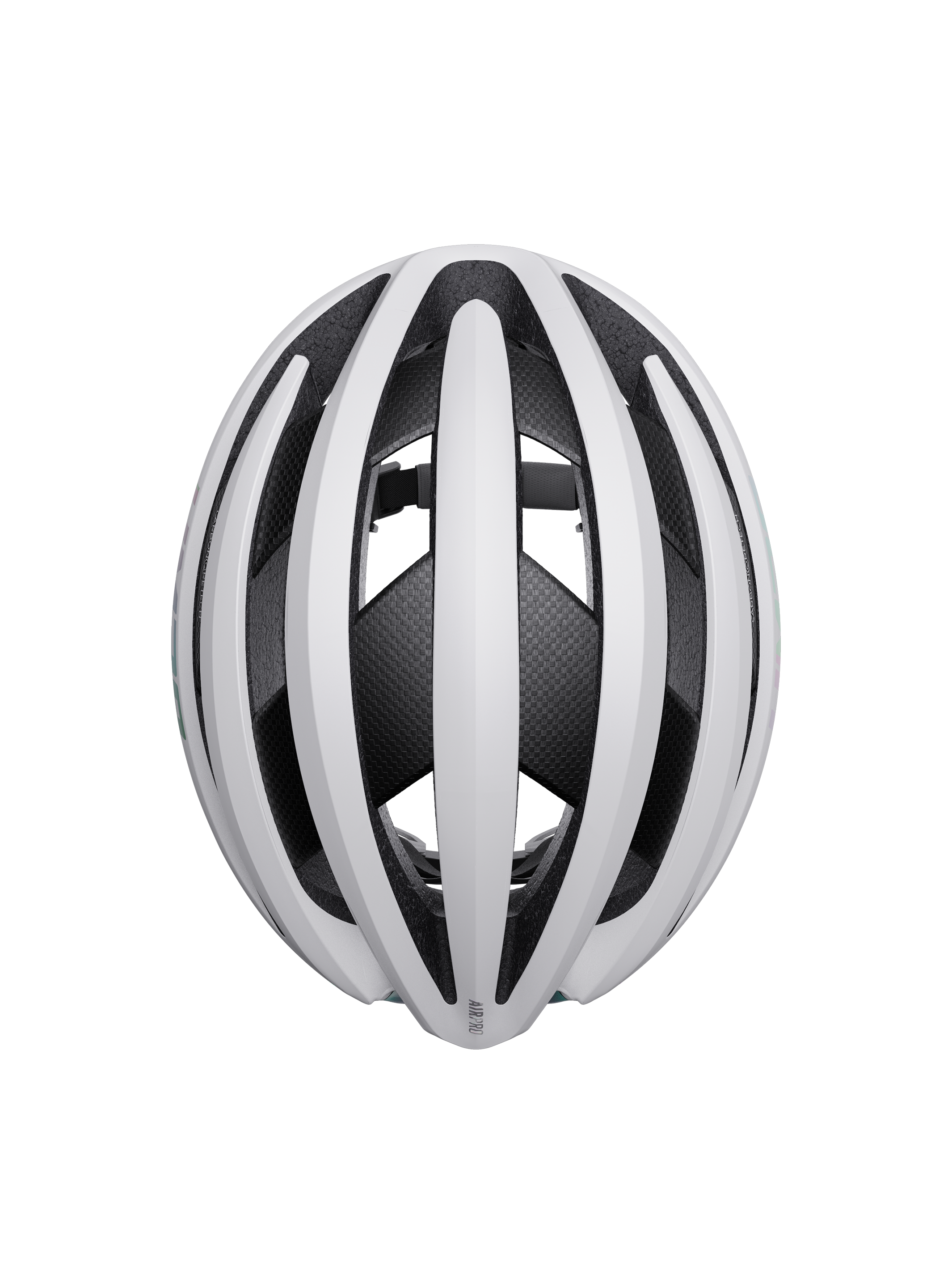
Il carbonio 3K accoppiato all'interno con l'EPS offre un nucleo di massima resistenza ed è la
caratteristica principale dell'Air Pro. Due ali strutturali si fondono con le nervature laterali della
calotta, creando una gabbia altamente performante.
Solitamente utilizzato come finitura, il carbonio 3K viene invece co-stampato con l'EPS in 5 strati,
e non come semplice rivestimento (solo uno o due strati al massimo). È lo stesso processo
utilizzato per la costruzione dei telai delle biciclette. In questo modo assume un'eccezionale
resistenza meccanica, consentendo l'utilizzo di spessori sottilissimi. Il carbonio diventa ora l'anima
del casco, agendo con il polistirene espanso per creare una gabbia altamente performante in
termini di sicurezza e permettendo di ottimizzare la ventilazione sulla testa dei ciclisti e
l'aerodinamica dei flussi d'aria intorno al casco.
About Air Pro
We have exploited the unique properties of carbon: The 3K carbon coupled inside with EPS gives top resistance core, and it is the main feature of the Air Pro.
Our Favourites
Questions?
We are here to help.
Find quick answers about sizing, shipping, returns, product care and support. Everything you need to choose, ride and take care of your Limar helmet with confidence.
What to keep in mind when purchasing a helmet?
All helmets must comply with the safety standards of your own country. The European standard is CE EN 1078. So first of all carefully check that the helmet has the correct label. Then make sure it fits perfectly to your head (not too tight and not too loose). This means you have to wear it properly (which is not usually possible if the helmet is blistered as it might happen when displayed in supermarkets).
What is the helmet efficacy
The helmet is not your ‘life insurance policy’ but international researches have pointed out that it has a variable protection effect. Knowing whether helmets reduce the risk of head injuries by 88%, by 65% or by 50% (just to quote some data) is just important for statistics purposes and a secondary factor if we talk about prevention. The most important aspect is that helmets reduce the risk of head injuries!
Do I need to replace a helmet after an impact
Yes every time during a fall the helmet has suffered a strong shock, even if it does not look damaged. Each impact damages the material the helmet is made of, and your helmet cannot guarantee the same level of protection any more.