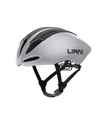

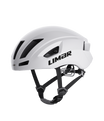
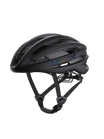
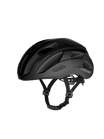
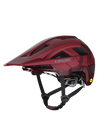
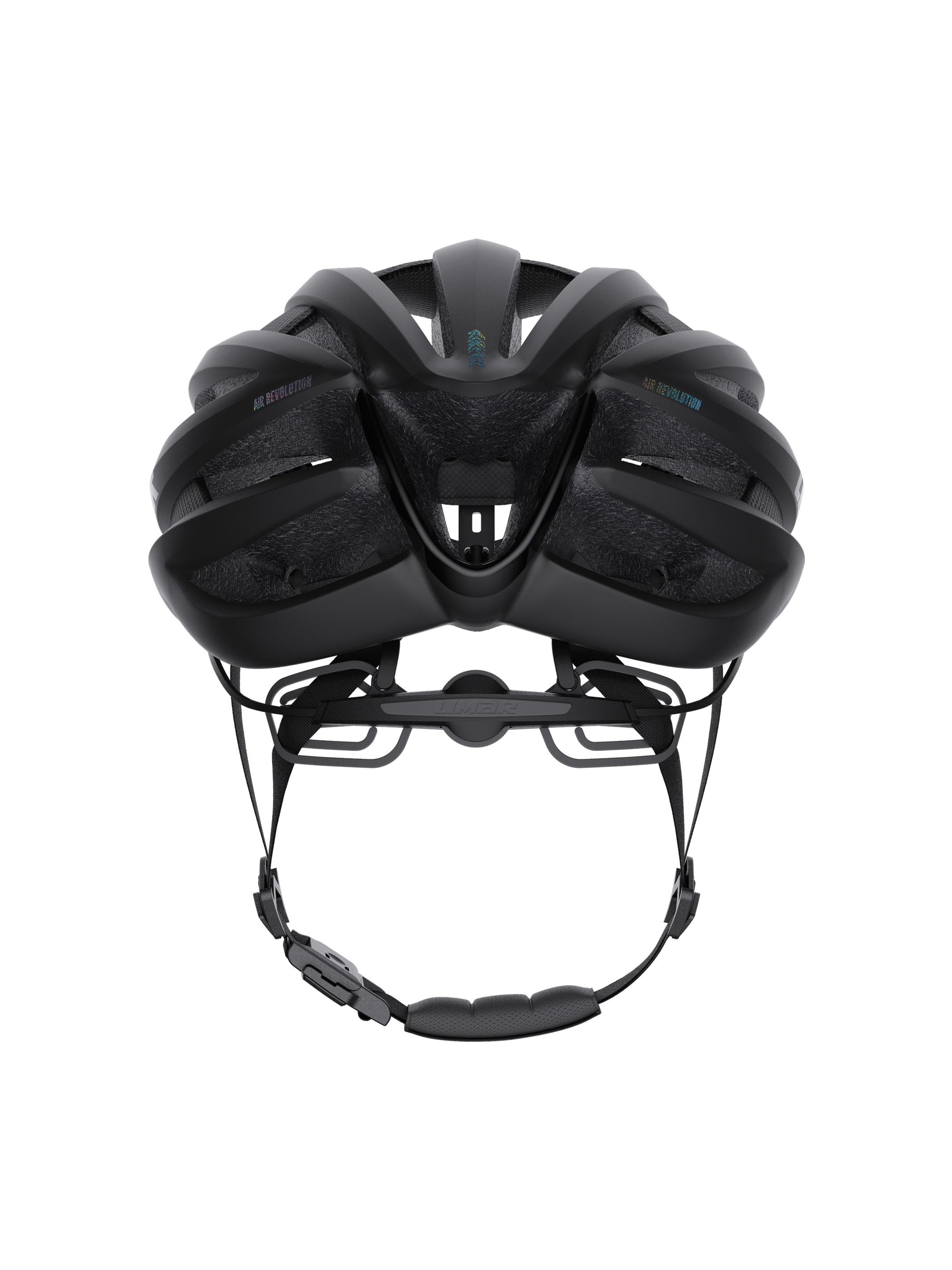
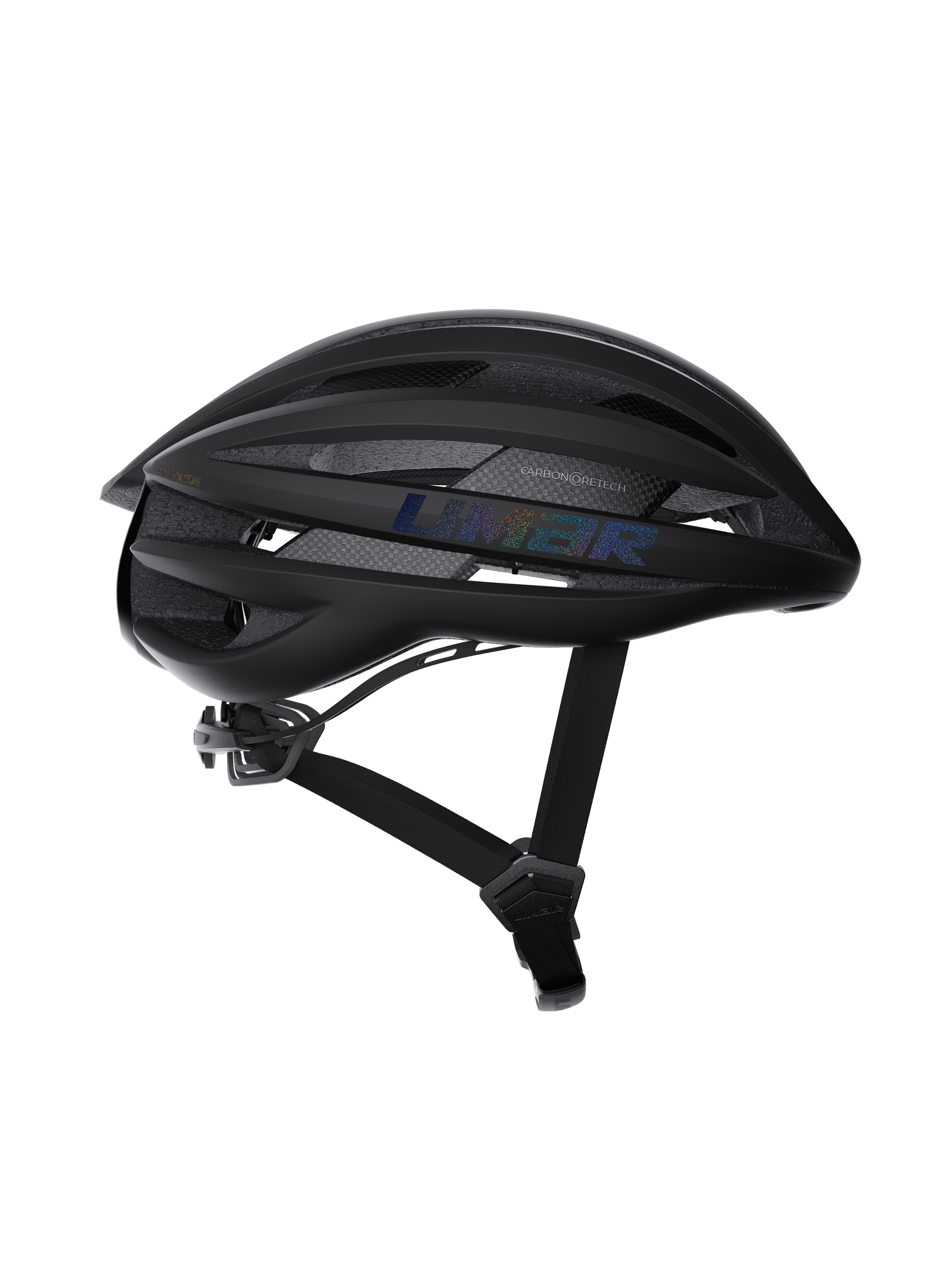
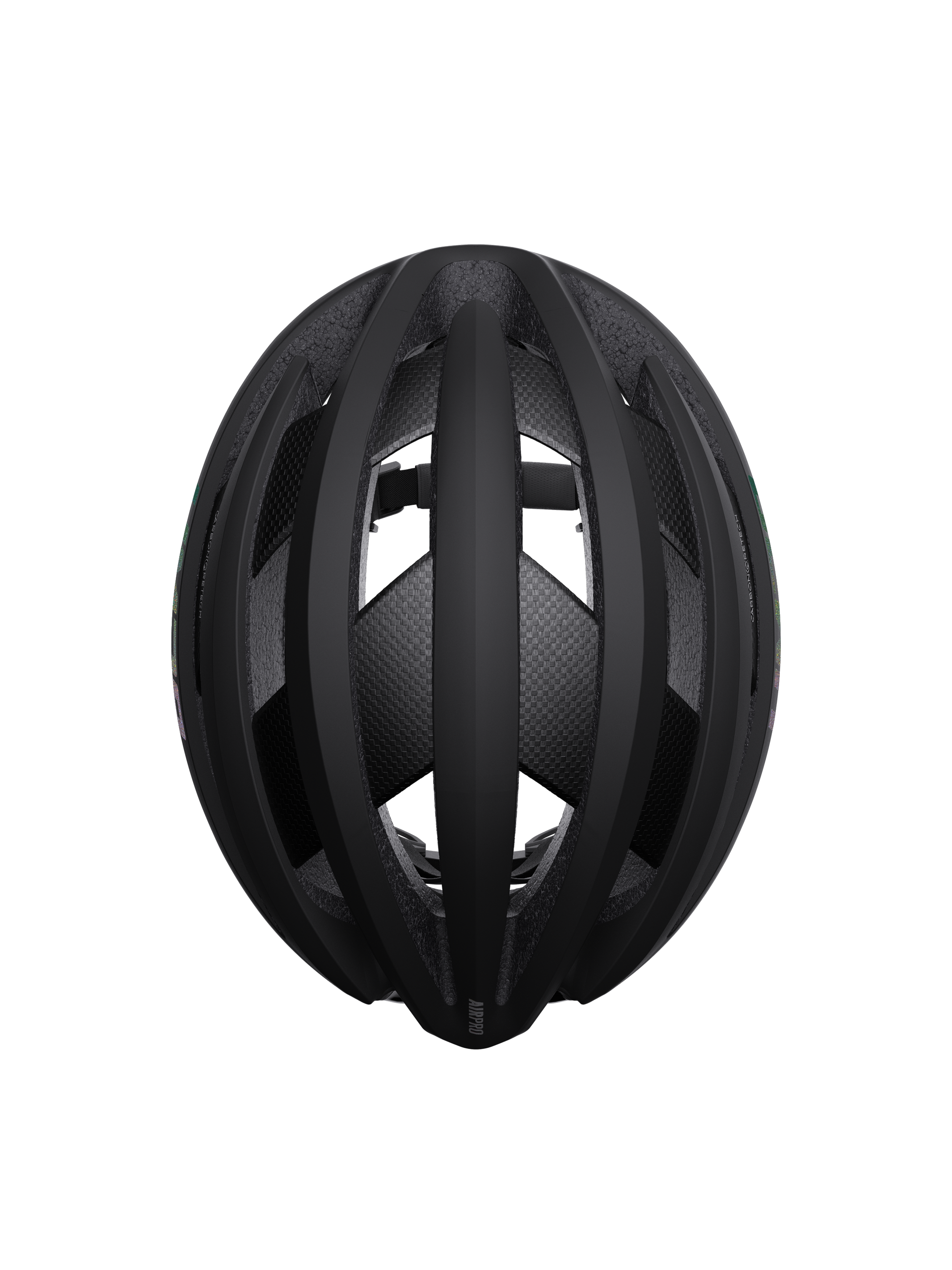
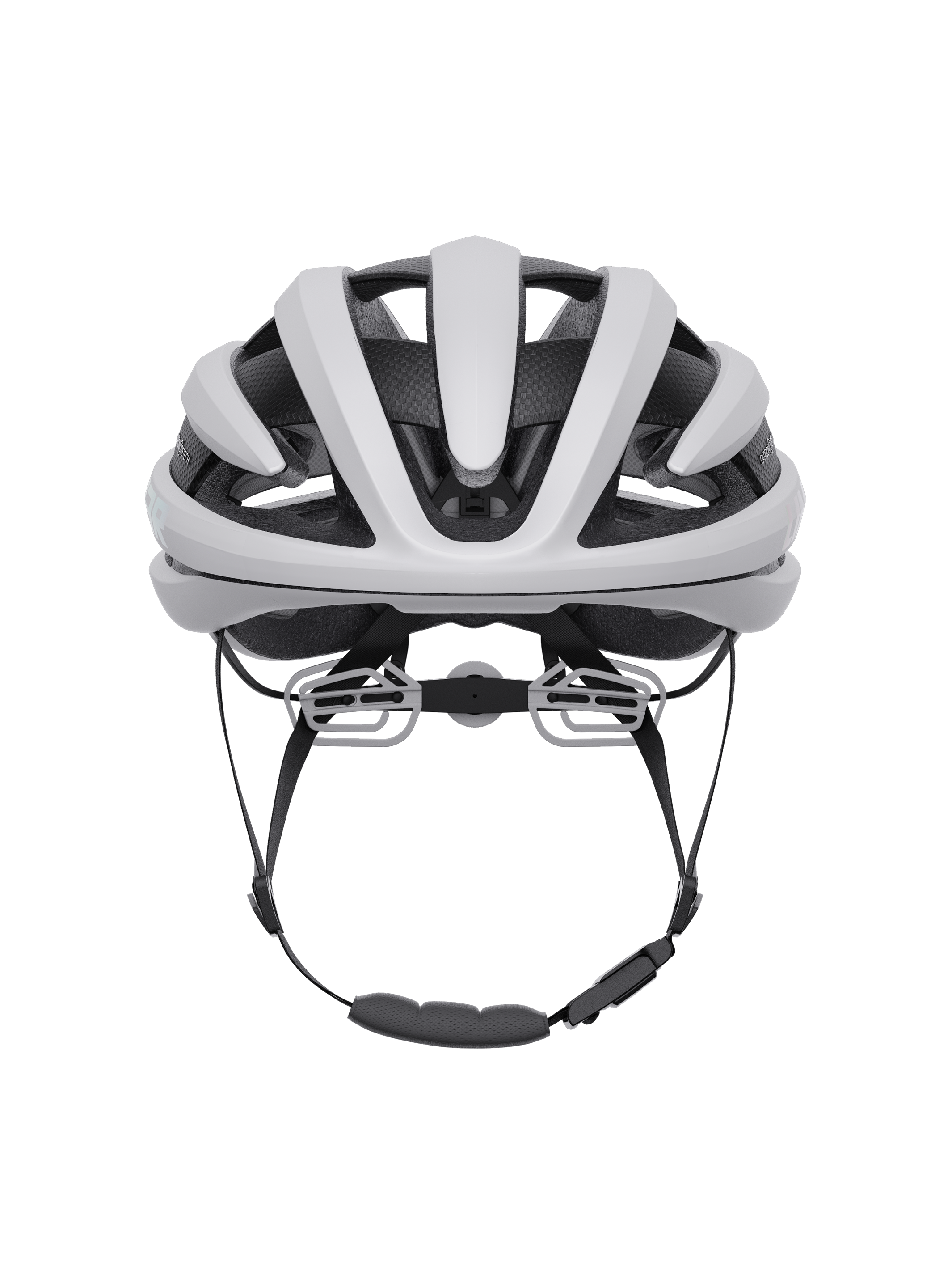
Air Pro
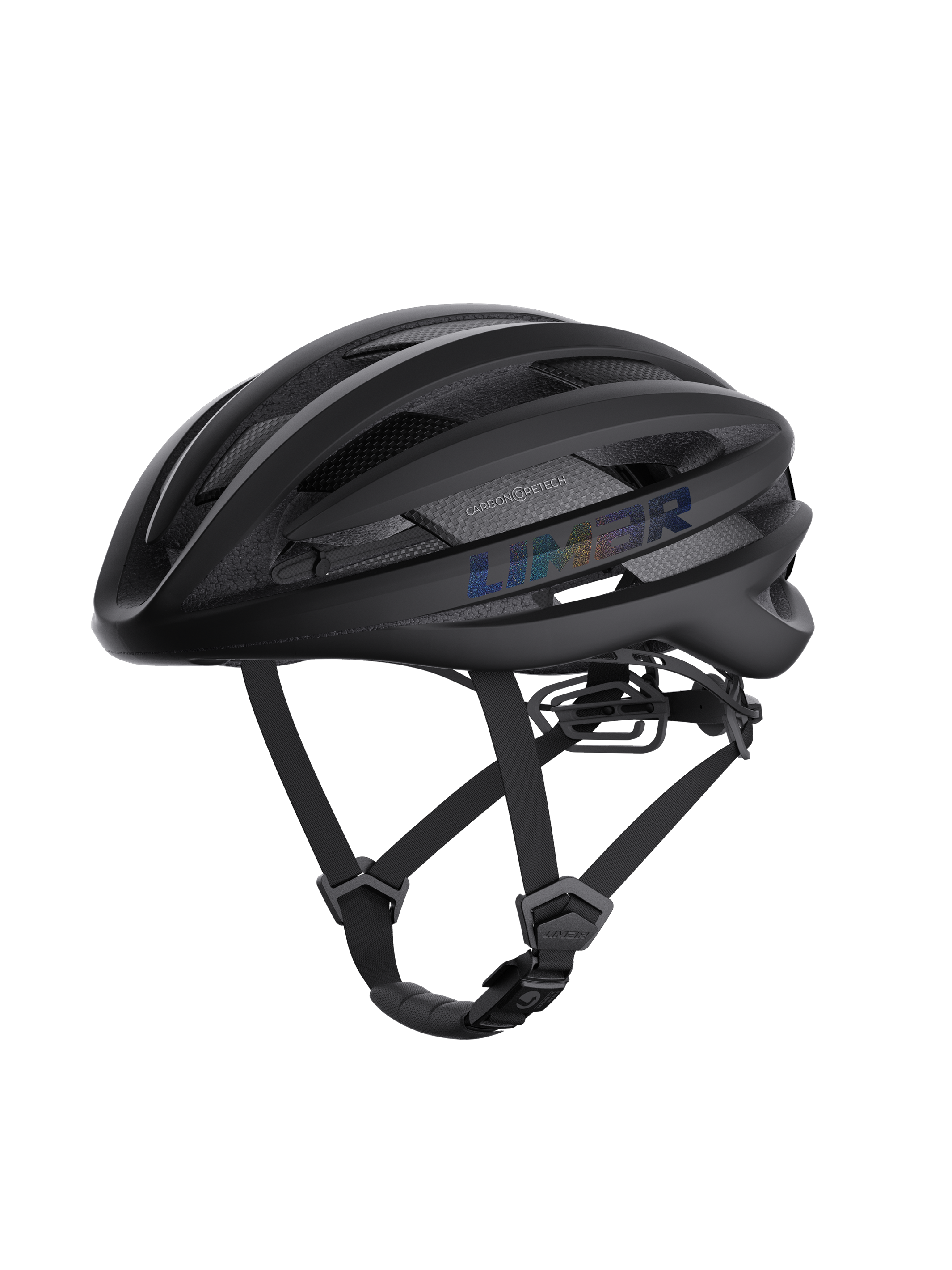
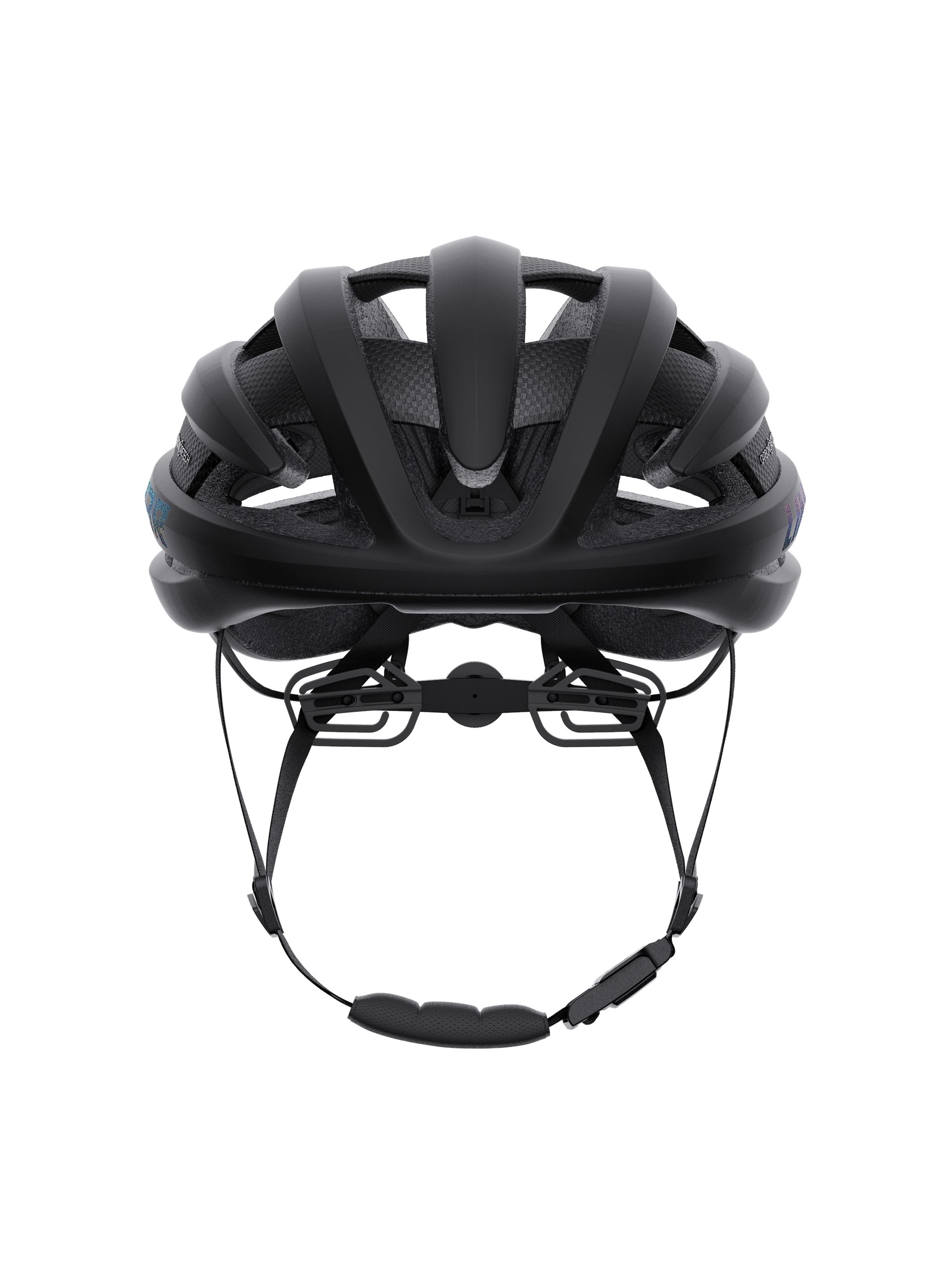
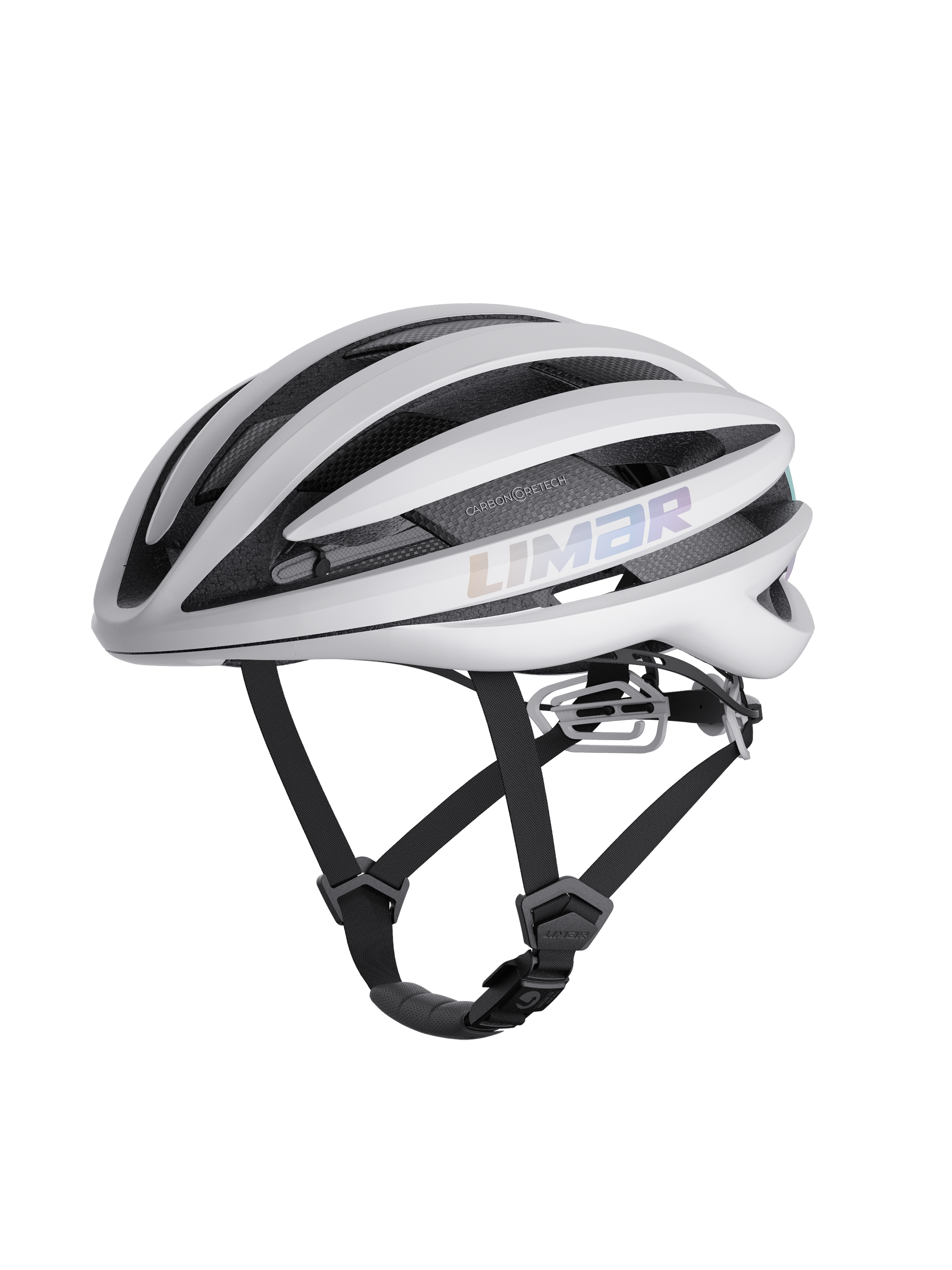
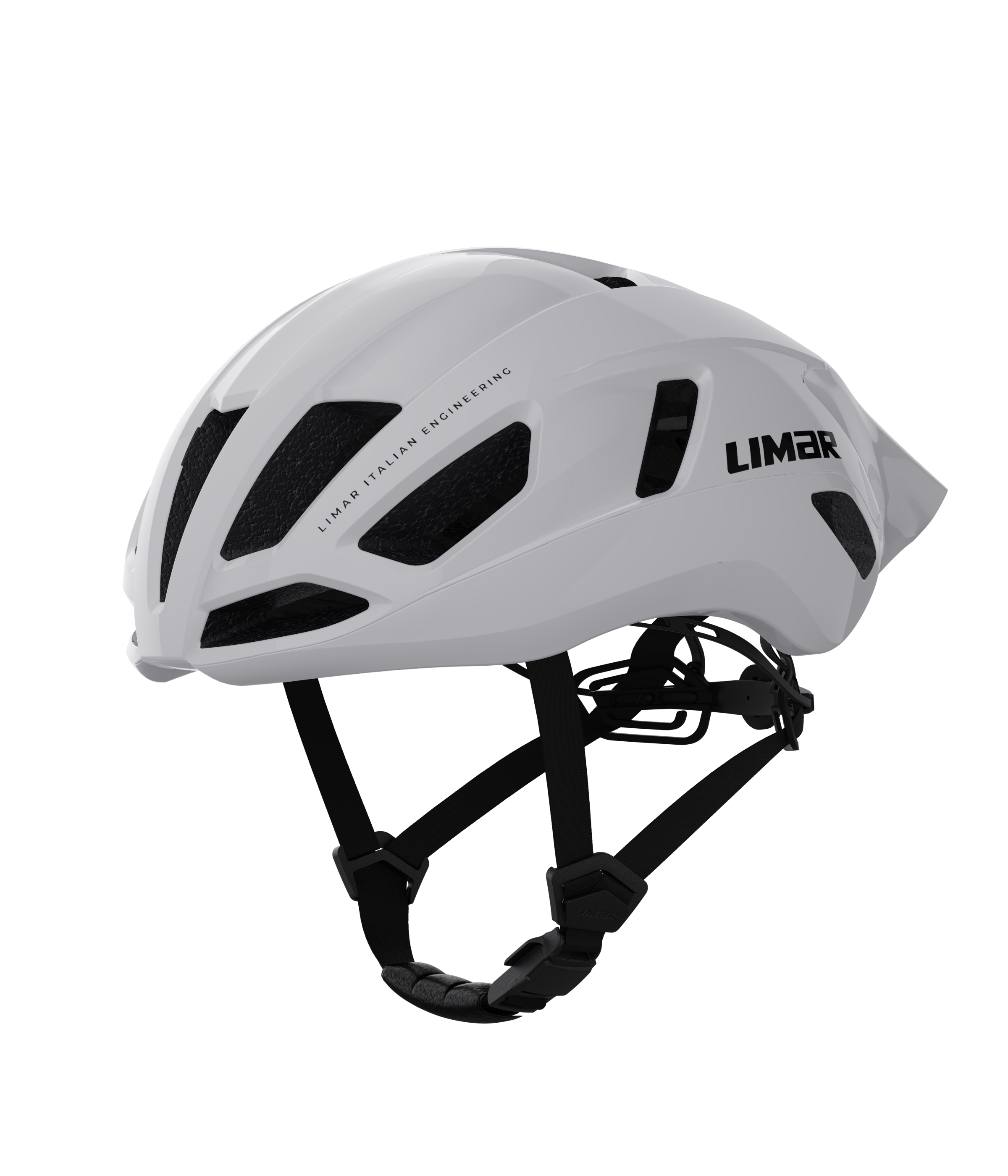
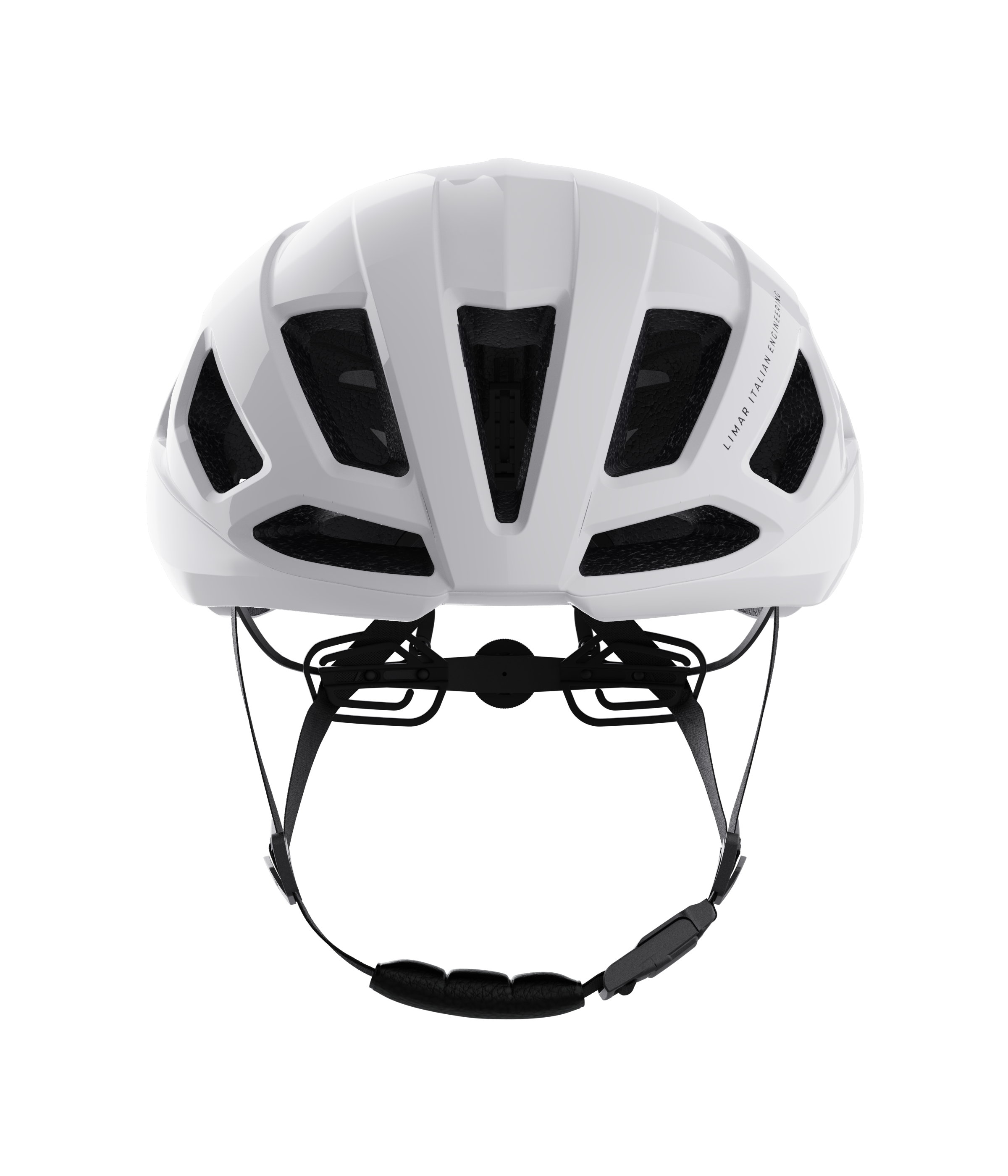
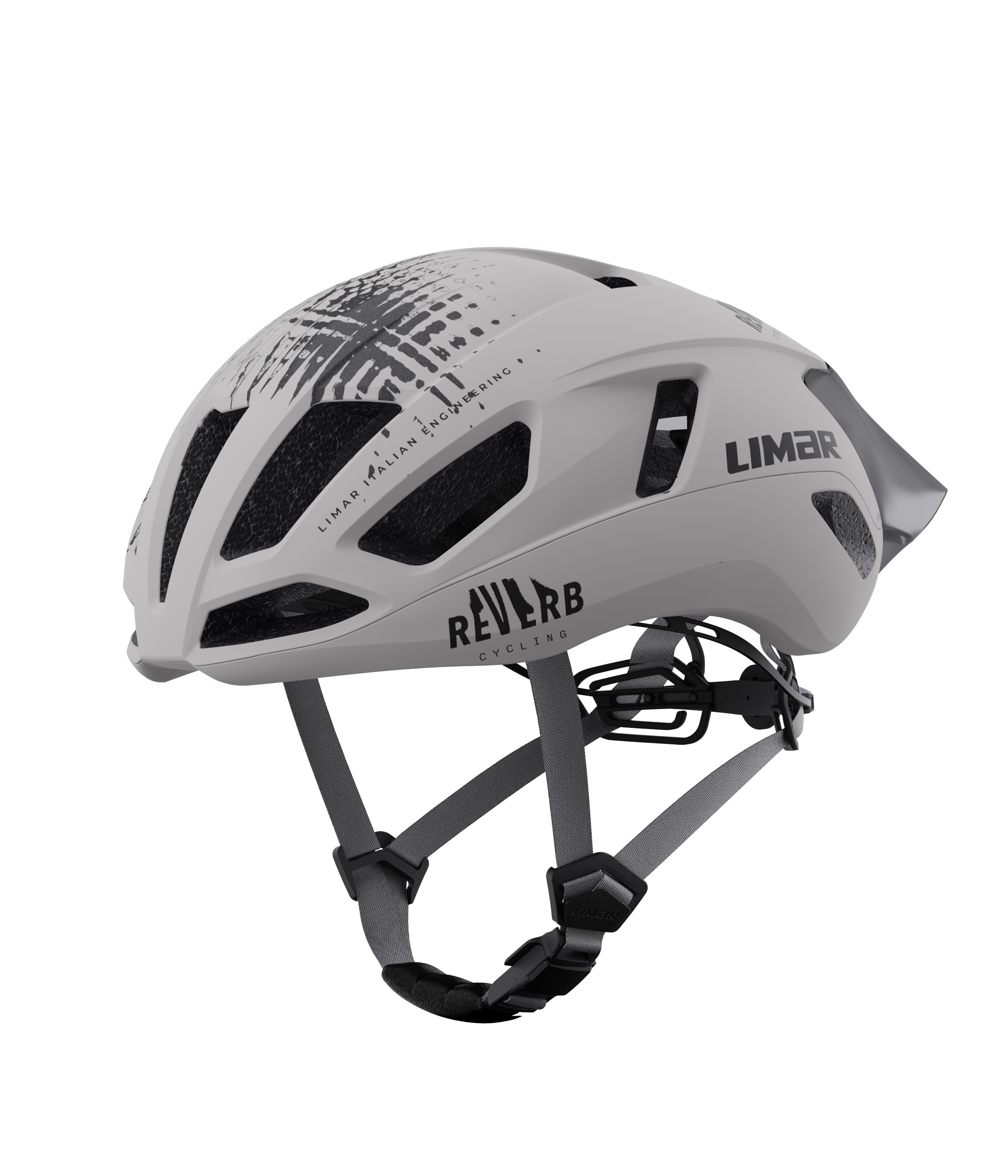
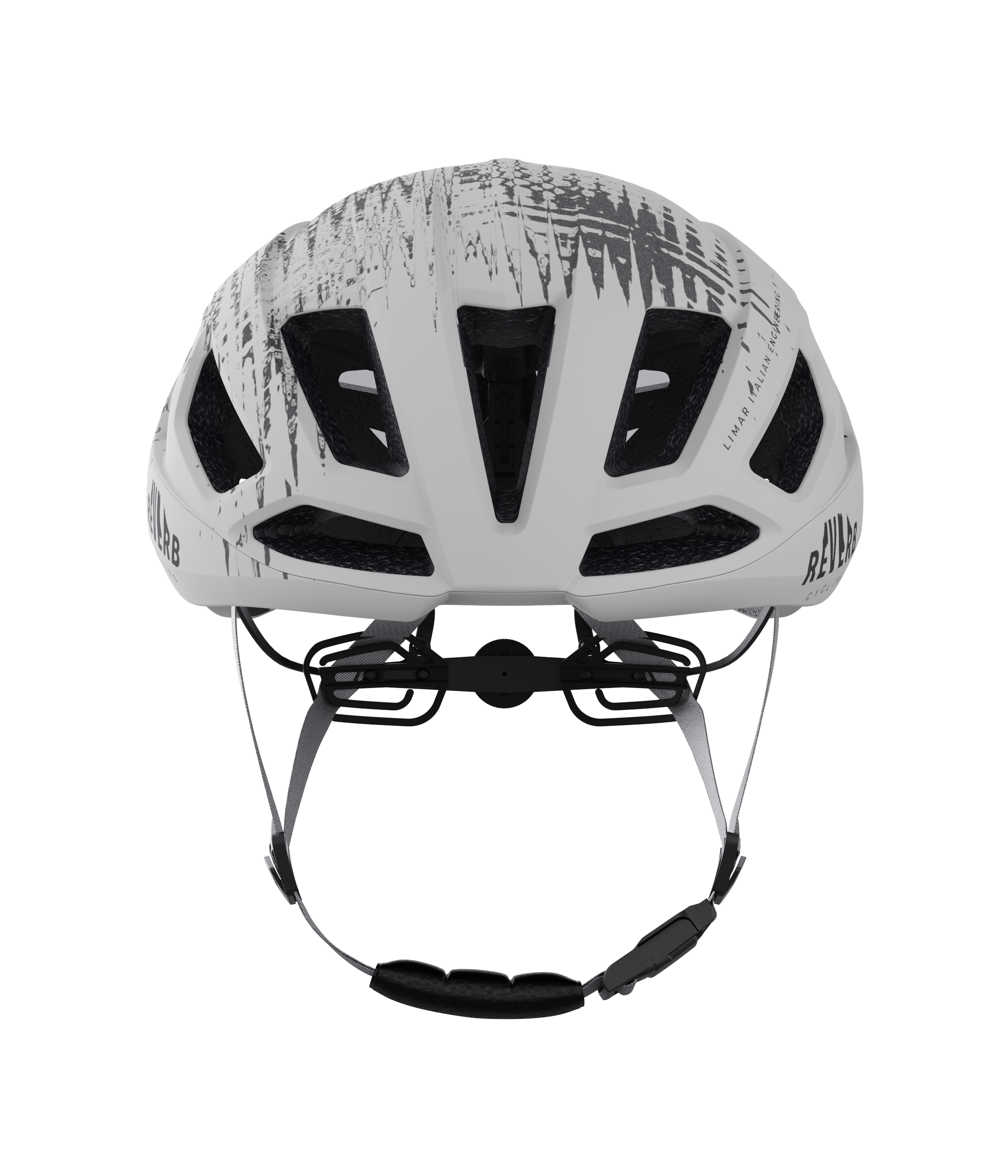
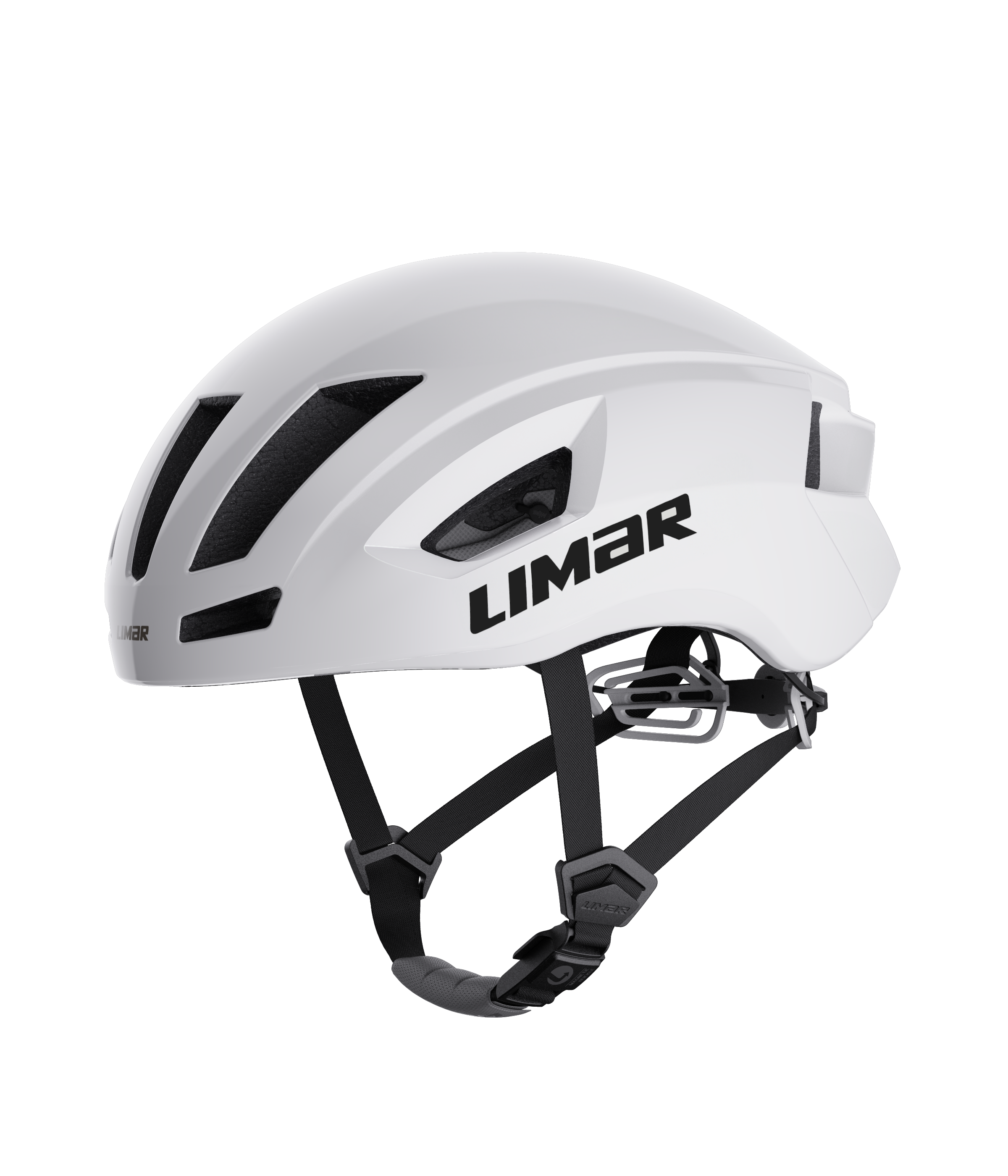
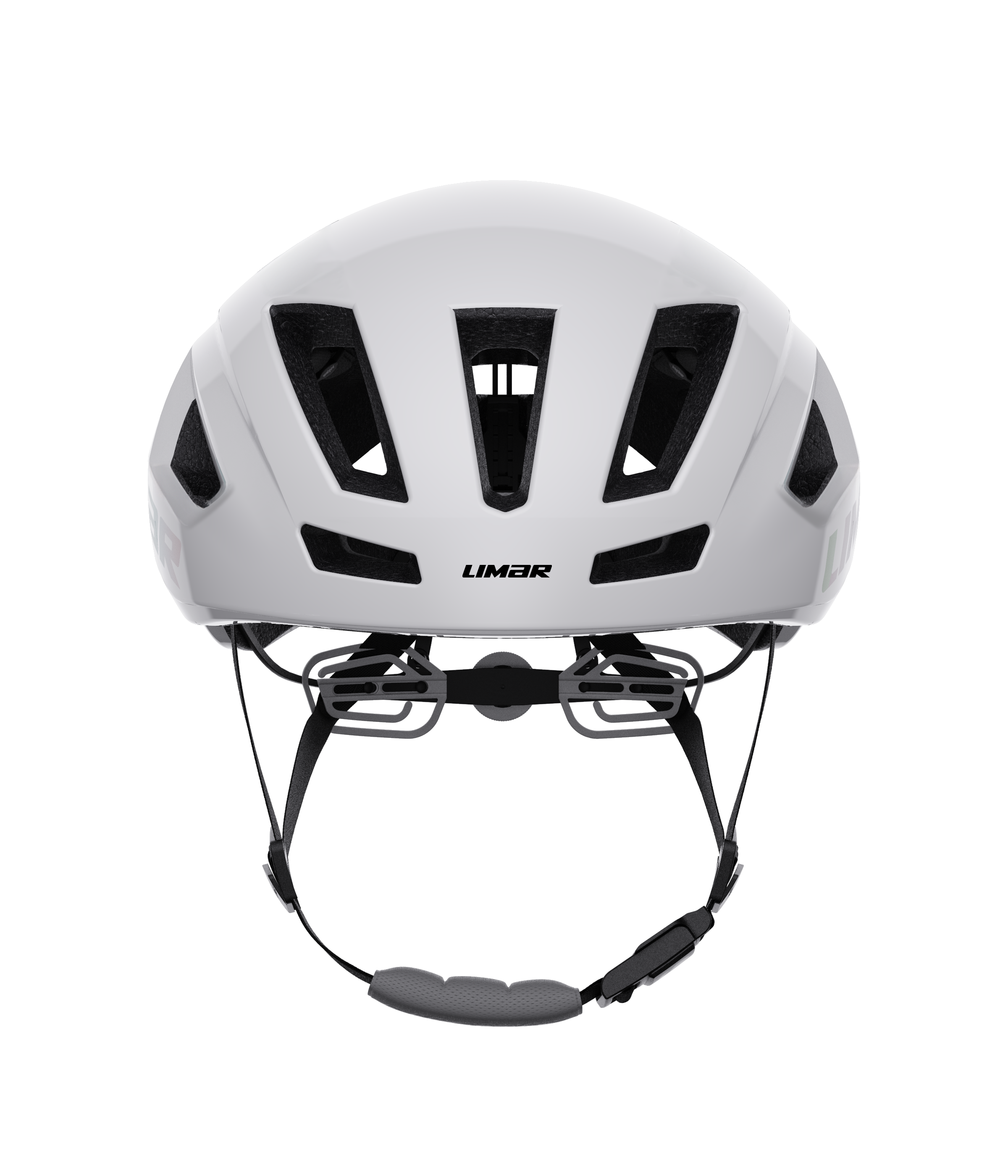
Limar AIR PRO helmet boasts an extremely innovative production process in which the carbon fiber – due to its high mechanical resistance and lightweight properties – becomes the heart of the helmet. This improves helmet safety without compromising on weight.
CARBONCORETECH:
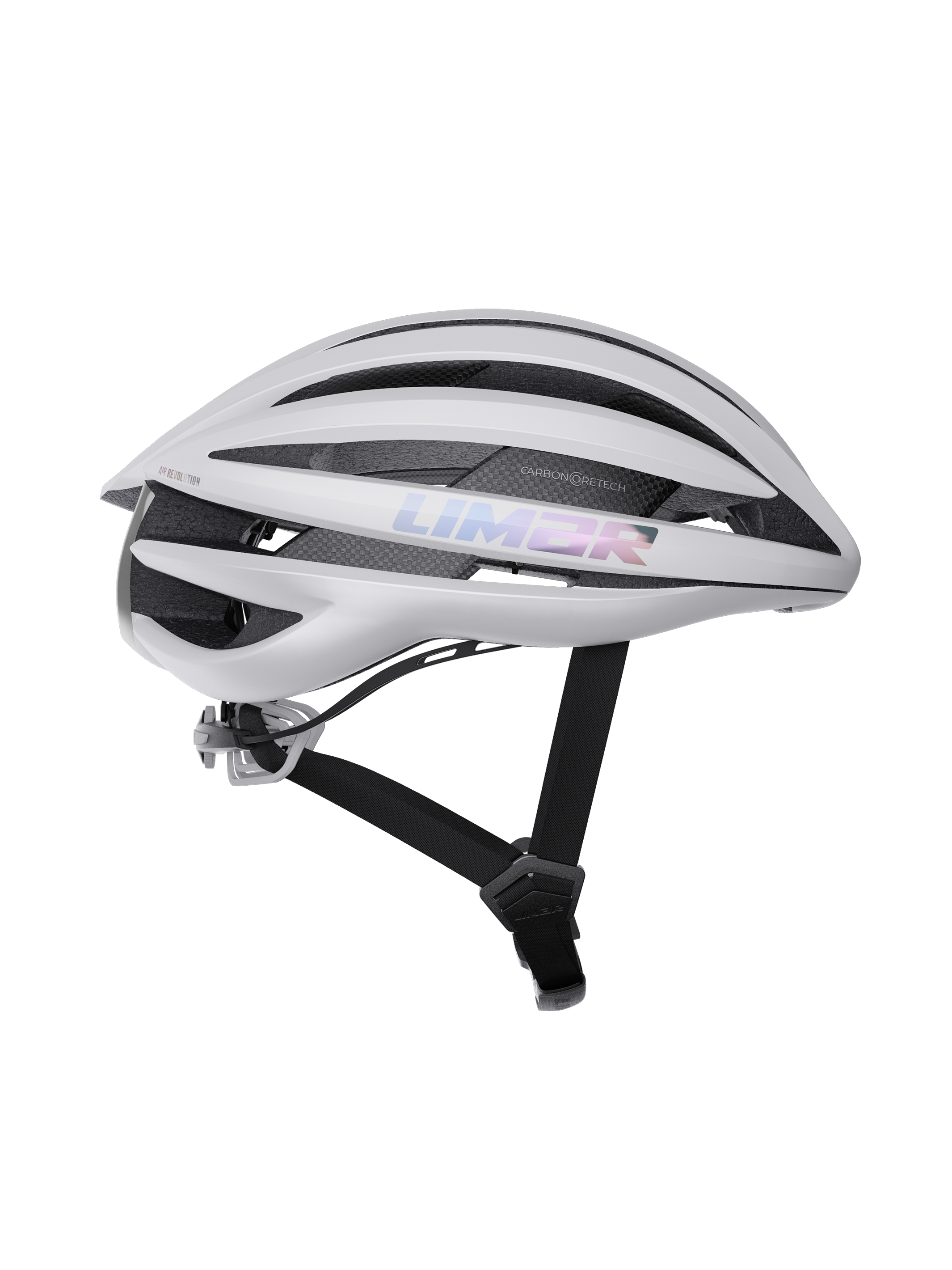
The 3K carbon coupled inside with EPS gives top resistance core, and is the main feature of the Air Pro. Two structural wings merge with the side ribs of the shell, creating a highly performing cage.
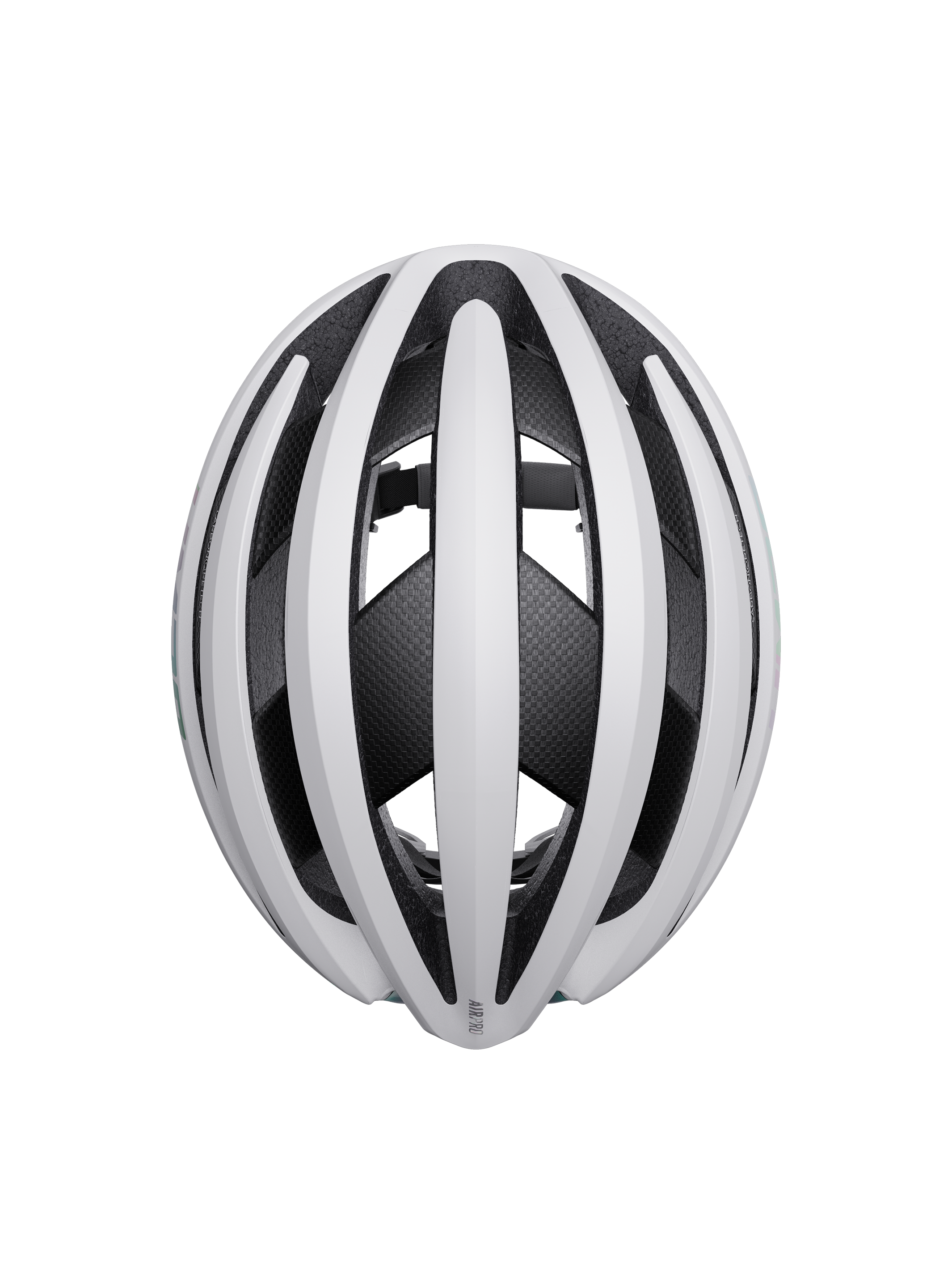
So far used as a finish, the 3K carbon is now co-moulded with EPS in 5 layers, not as a simple film (only one or two layers maximum). It is the same process used for building bike frames. In this way it takes an exceptional mechanical resistance, allowing the use of the thinnest thickness. The carbon now becomes the soul of the helmet, acting with the expanded polystyrene to create a highly performing cage in terms of safety and allowing to optimize ventilation on the head of the riders, and the aerodynamics of the air flows around the helmet.
AERODYNAMICS:
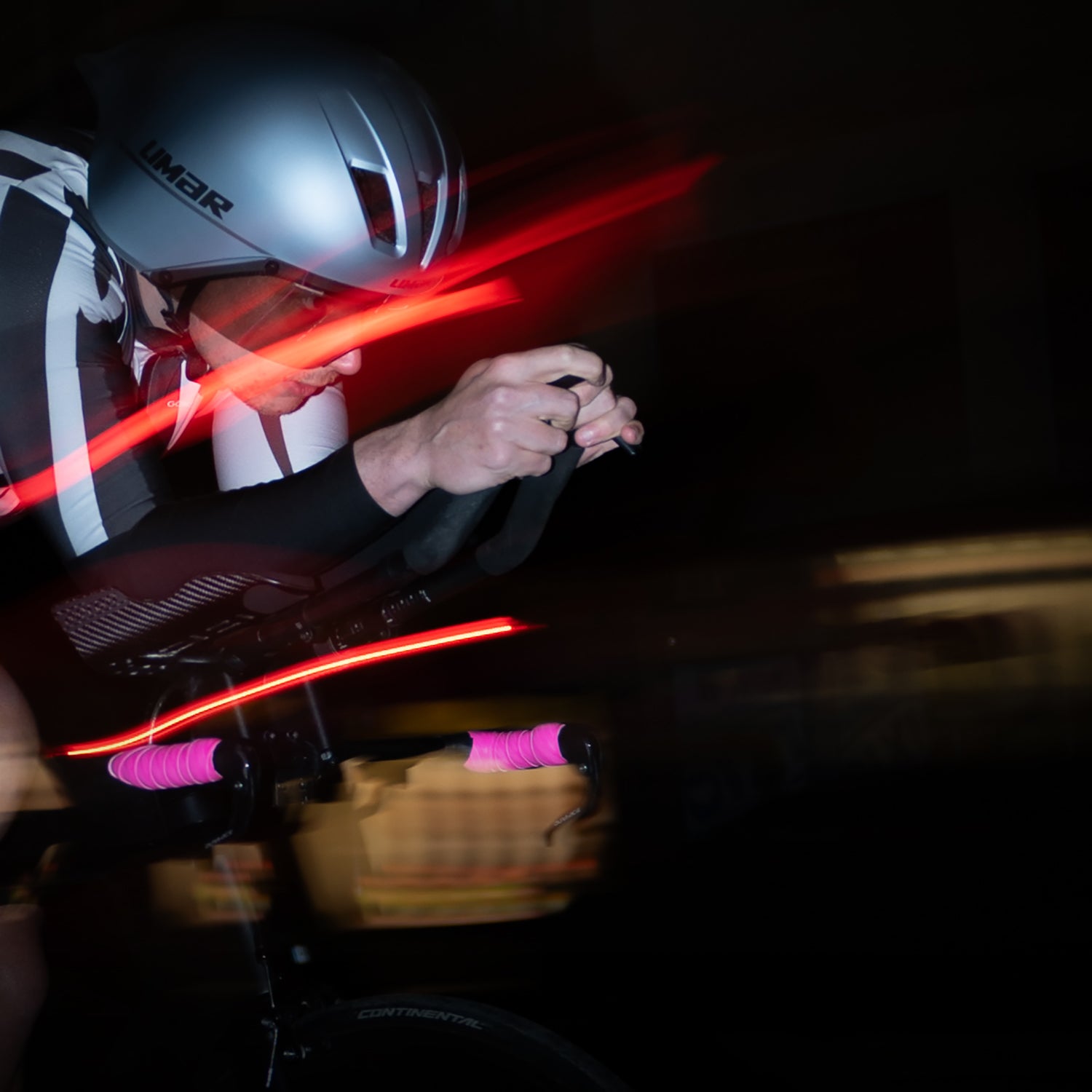
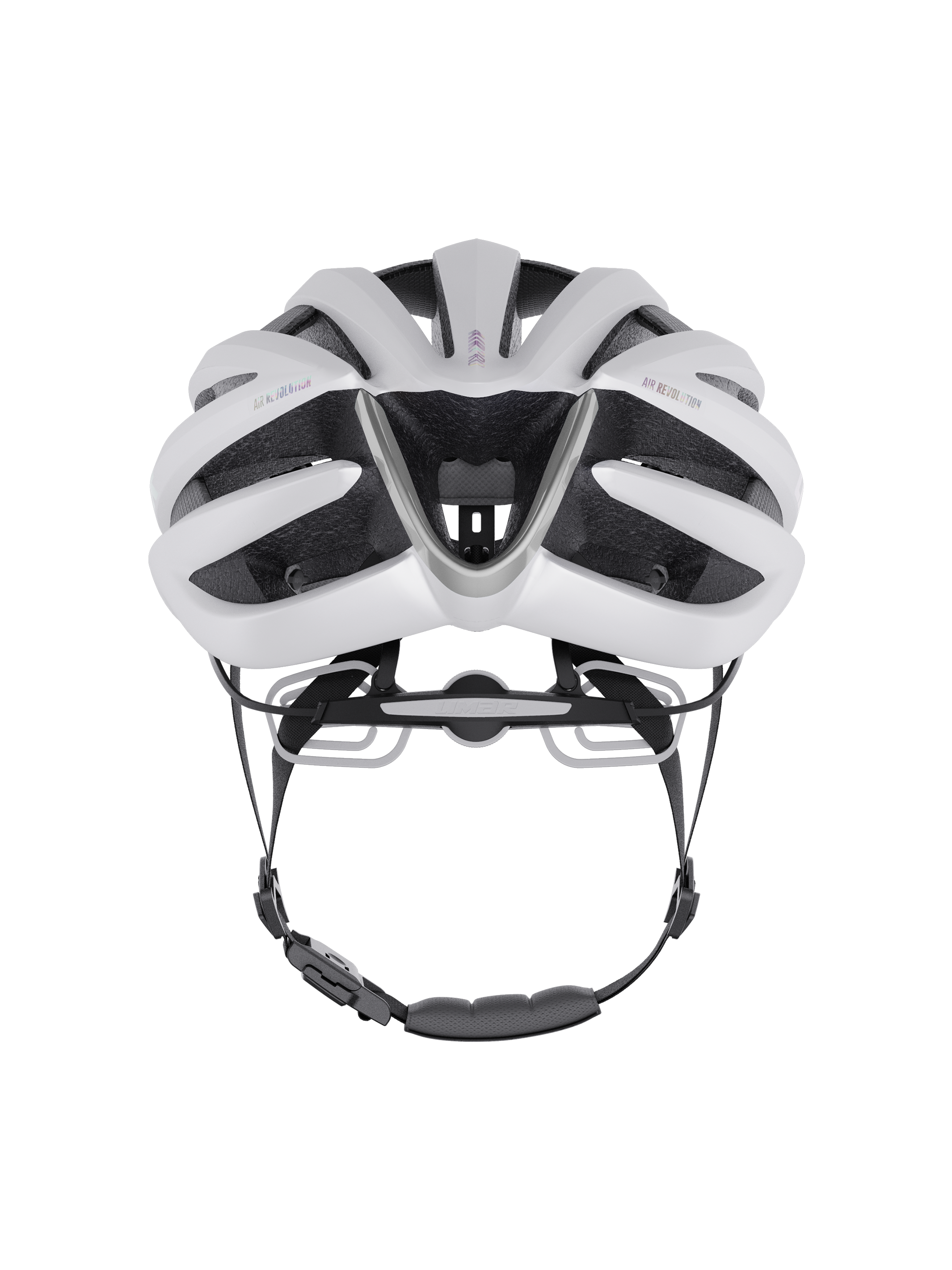
The pyramidal surface of the longitudinal ribs reduces the impact pressure since it cuts the air and allows a smooth sliding. The very thin carbon wings allow easy inflow and improved air circulation. The extended tail prevent turbulence: the mathematical simulation CFD datas integrated with Wind Tunnel tests demonstrate an increase in aerodynamic efficiency of 20% compared to the LIMAR Ultralight+ model, proved also by the several tests achieved in velodromes/wind tunnels (tests in real-life environmental conditions with Astana Team riders).
About Air Pro
We have exploited the unique properties of carbon: The 3K carbon coupled inside with EPS gives top resistance core, and it is the main feature of the Air Pro.
Our Favourites
Questions?
We are here to help.
Find quick answers about sizing, shipping, returns, product care and support. Everything you need to choose, ride and take care of your Limar helmet with confidence.
What to keep in mind when purchasing a helmet?
All helmets must comply with the safety standards of your own country. The European standard is CE EN 1078. So first of all carefully check that the helmet has the correct label. Then make sure it fits perfectly to your head (not too tight and not too loose). This means you have to wear it properly (which is not usually possible if the helmet is blistered as it might happen when displayed in supermarkets).
What is the helmet efficacy
The helmet is not your ‘life insurance policy’ but international researches have pointed out that it has a variable protection effect. Knowing whether helmets reduce the risk of head injuries by 88%, by 65% or by 50% (just to quote some data) is just important for statistics purposes and a secondary factor if we talk about prevention. The most important aspect is that helmets reduce the risk of head injuries!
Do I need to replace a helmet after an impact
Yes every time during a fall the helmet has suffered a strong shock, even if it does not look damaged. Each impact damages the material the helmet is made of, and your helmet cannot guarantee the same level of protection any more.